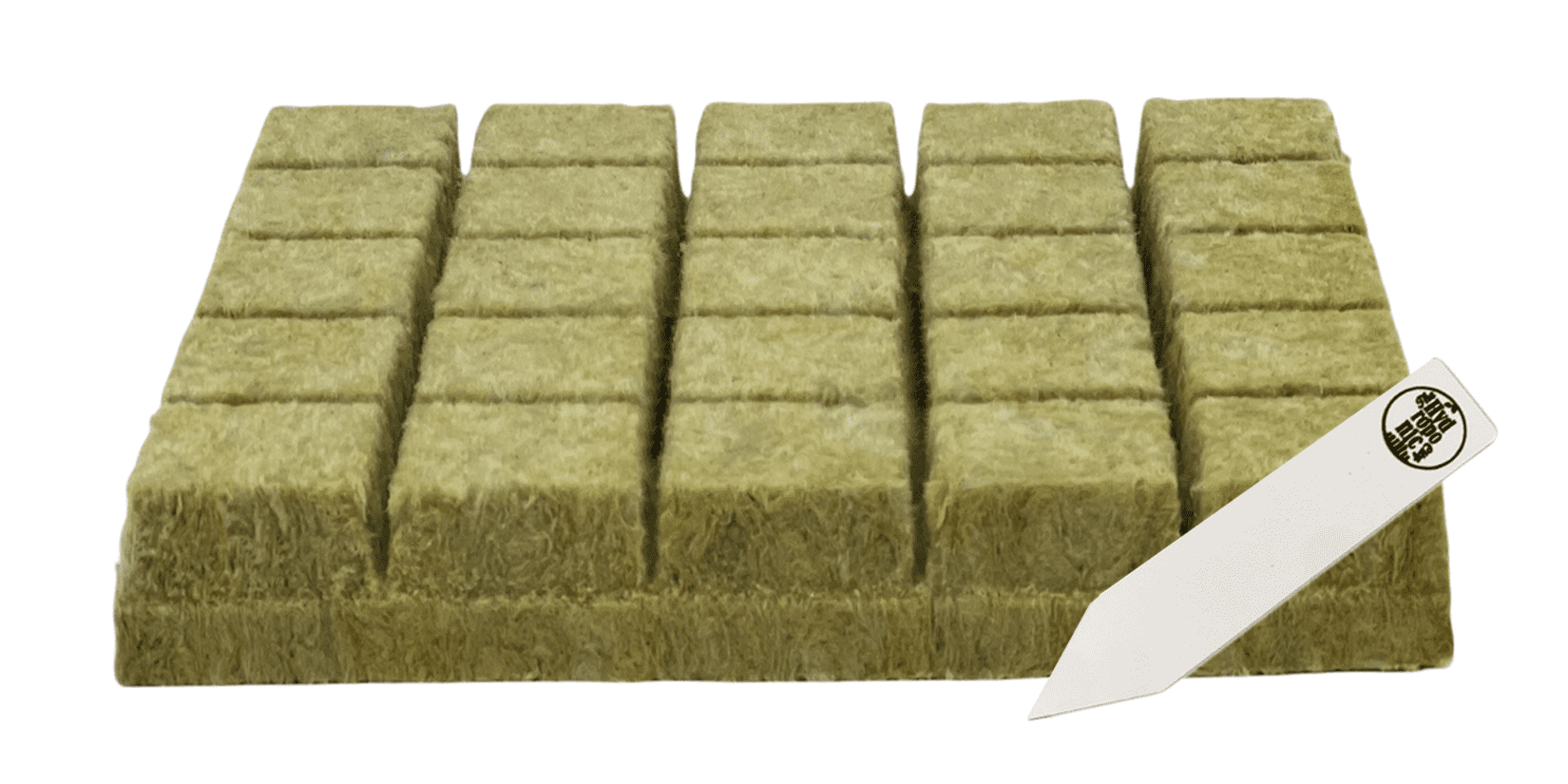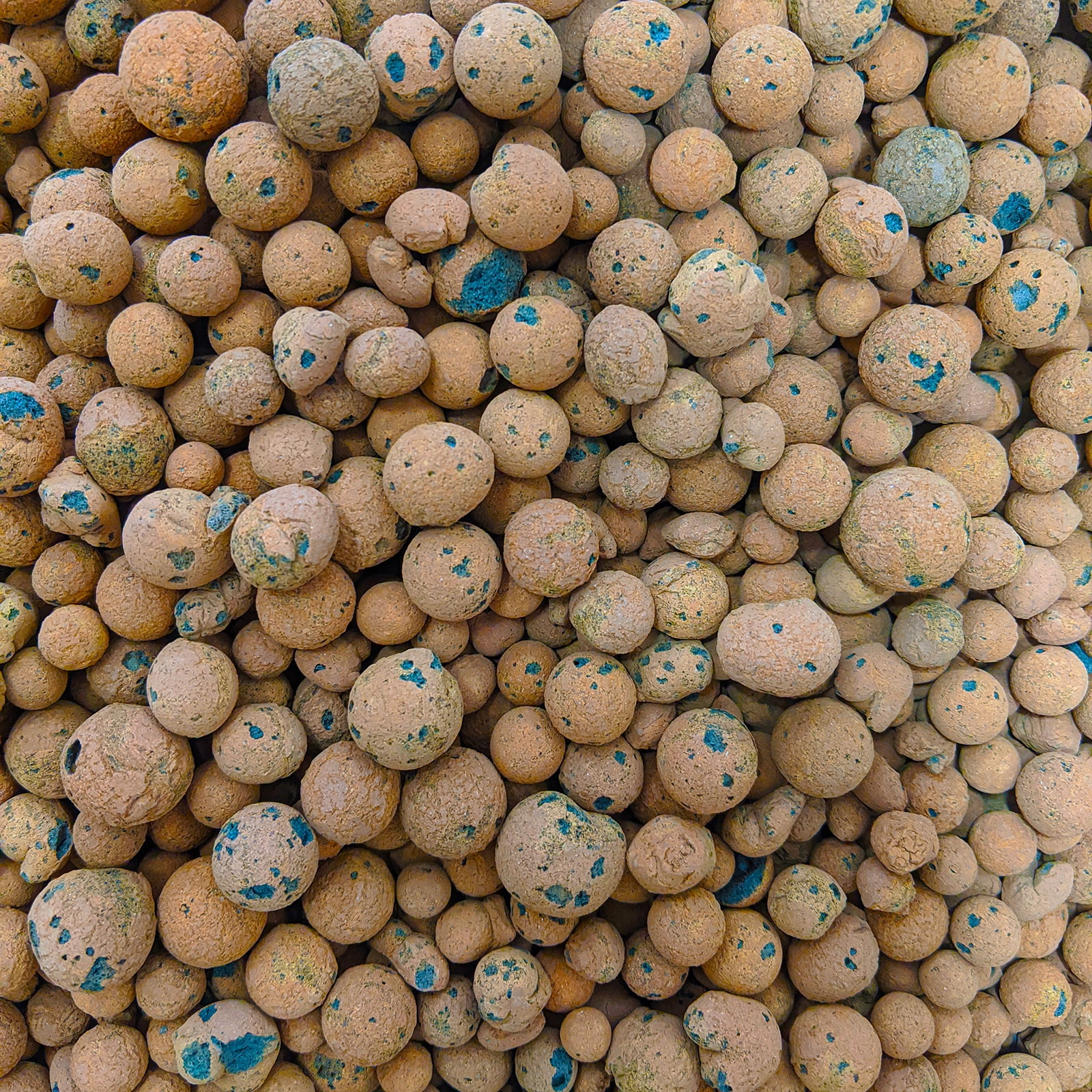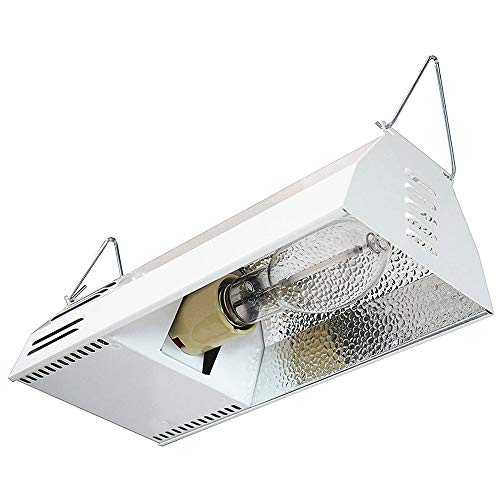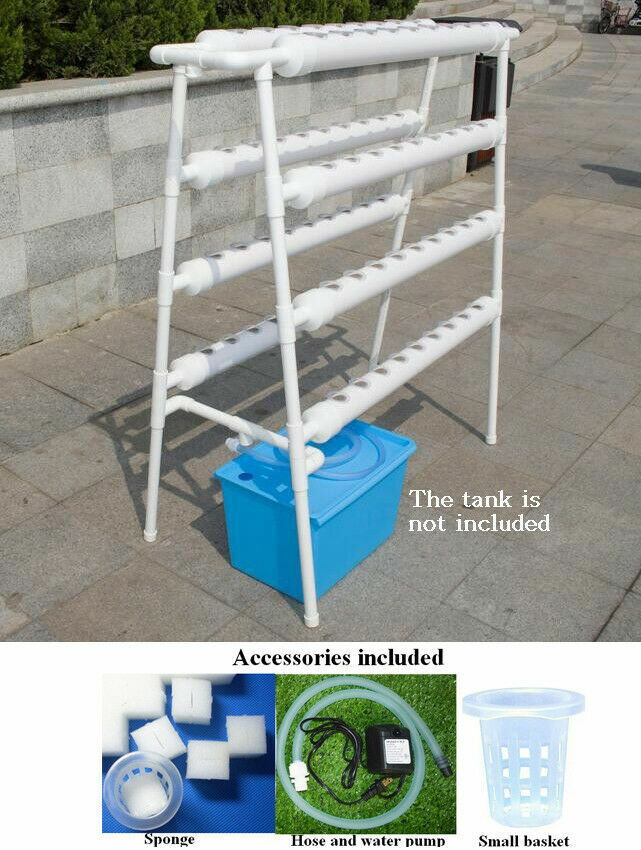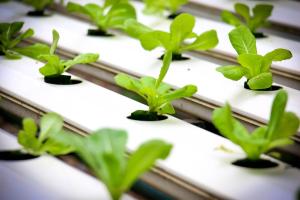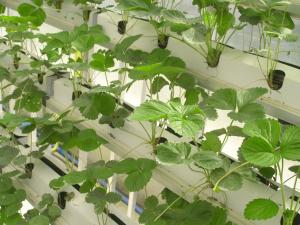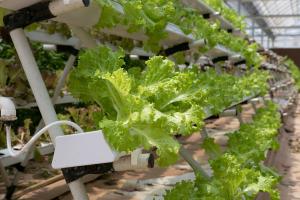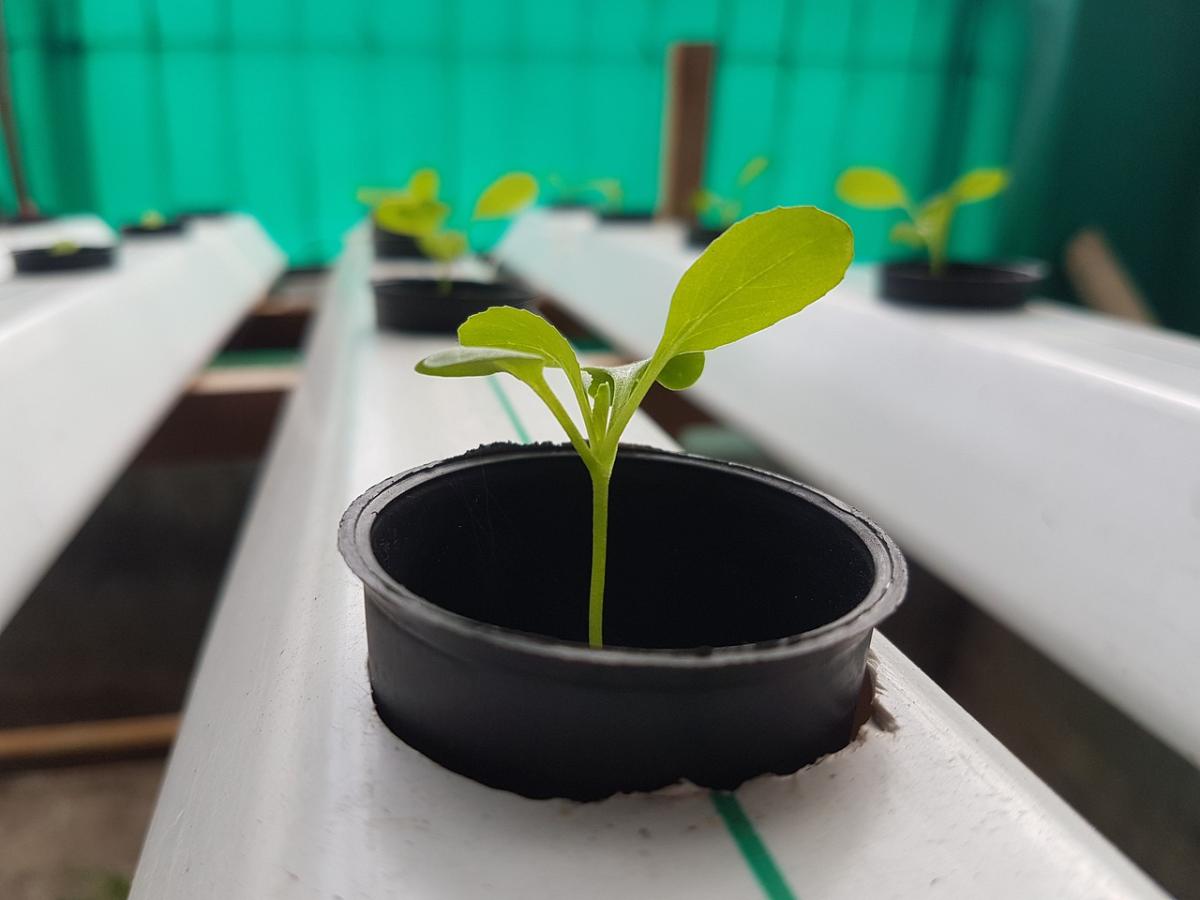
Hydroponic growing is all about growing plants without soil. Sounds wild, right? Instead of dirt, plants get their nutrients from a water solution. This method uses different techniques like nutrient film, deep water culture, and aeroponics to help your plants thrive.
One of the coolest things about hydroponics is how space-efficient it is. You can grow a ton of plants in a small area, which is great if you're short on space or just want to grow indoors. Plus, the growing conditions can be controlled, meaning no pests or weeds to worry about, and you can optimize light and temperature for maximum growth.
It's not just for pros with fancy labs. Many beginners find hydroponic systems easy to set up. You can choose from simple kits that come with everything you need or build your own setup if you’re a DIY kind of person. Plus, many plants are well-suited for hydroponics—think leafy greens, herbs, and even some fruits.
If you're looking for faster growth, hydroponics might be your jam. Because plants get direct access to nutrients and oxygen, they often grow quicker than those in soil. And with a bit of patience and care, you can enjoy a bountiful harvest right from your own home!
Benefits of Hydroponic Gardening
Hydroponic gardening offers some fantastic benefits that make it a great choice for both beginners and seasoned gardeners. First off, you’ll save a ton of space. Since hydroponics allows you to grow plants vertically or in small areas, you can utilize every inch of your home, balcony, or backyard.
Another big plus is the speed of growth. Plants grown in hydroponic systems usually grow faster than those in soil. With optimized nutrients and a controlled environment, your veggies and herbs can thrive in no time. Imagine plucking fresh lettuce or herbs just a few weeks after planting!
Water efficiency is another key benefit. Hydroponic systems use about 90% less water than traditional gardening. The water recirculates, so you get to conserve this precious resource while still achieving amazing results. Plus, you won’t have to worry about soil erosion or runoff.
No pests or weeds makes hydroponic gardening so much easier. Without soil, the chances of bugs or weeds messing with your plants drop dramatically. You’ll spend less time worrying about pests and more time enjoying your homegrown greens.
And let’s not forget about the quality of the produce! Hydroponically grown plants often taste better and are packed with nutrients. You’ll have fresh, flavorful veggies right at your fingertips, making it way easier to eat healthy. It’s like having a mini grocery store right in your home!
Types of Hydroponic Systems
When you dive into the world of hydroponics, you'll find there are several types of systems, each with its own unique benefits. Let's break down some of the most popular ones so you can pick the one that fits your needs best.
1. Deep Water Culture (DWC)
This system keeps plant roots submerged in nutrient-rich water. It's super simple to set up and is perfect for growing leafy greens. Just make sure you have an air pump to keep the oxygen flowing, and you're good to go!
2. Nutrient Film Technique (NFT)
In the NFT system, a thin film of nutrient solution flows over the roots of plants. The roots are mostly exposed to air, which oxygenates them. It’s a great choice for fast-growing plants and uses less water than other systems, making it eco-friendly.
3. Ebb and Flow (Flood and Drain)
This system is like a mini tidal wave for your plants! It periodically floods the plant roots with nutrient solution and then drains it back into a reservoir. This cycle allows for good oxygen exposure and is versatile enough for a variety of plants.
4. Aeroponics
Aeroponics takes hydroponics to the next level. Here, plants hang in the air and roots are misted with the nutrient solution. This method promotes super-fast growth and is ideal if you’re looking to maximize space. Just keep in mind, it requires a bit more monitoring compared to other systems.
Getting Started with Hydroponics
First, you’ll need to choose the right hydroponic system for your space. There are a bunch of options out there, like deep water culture, aeroponics, and nutrient film techniques. Each has its perks, so think about what you want to grow and how much space you have. For beginners, a simple deep water culture setup works like a charm. It's easy to manage and gives plants all the nutrients they need.
Next up, gather your supplies! Here’s a short list of what you’ll need to kick things off:
Once you have your setup ready, fill the reservoir with water and mix in your hydroponic nutrient solution. Place the seedlings in the net pots, and set them in the grow trays. Then, turn on the pump to keep the nutrient solution flowing. Keep an eye on your plants and adjust the water and nutrient levels as needed. It’s super rewarding to watch them grow healthy and strong without any soil hassles!