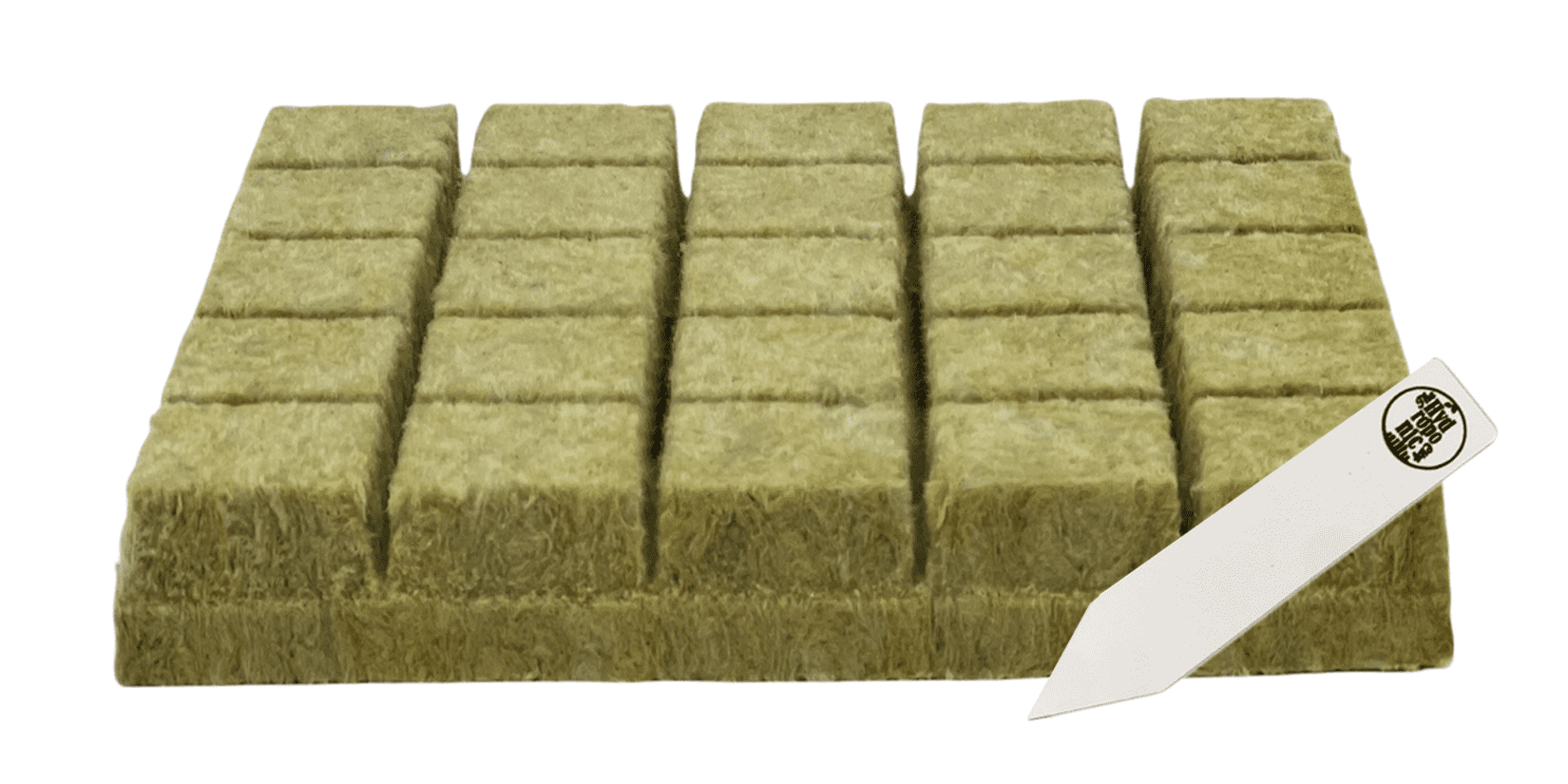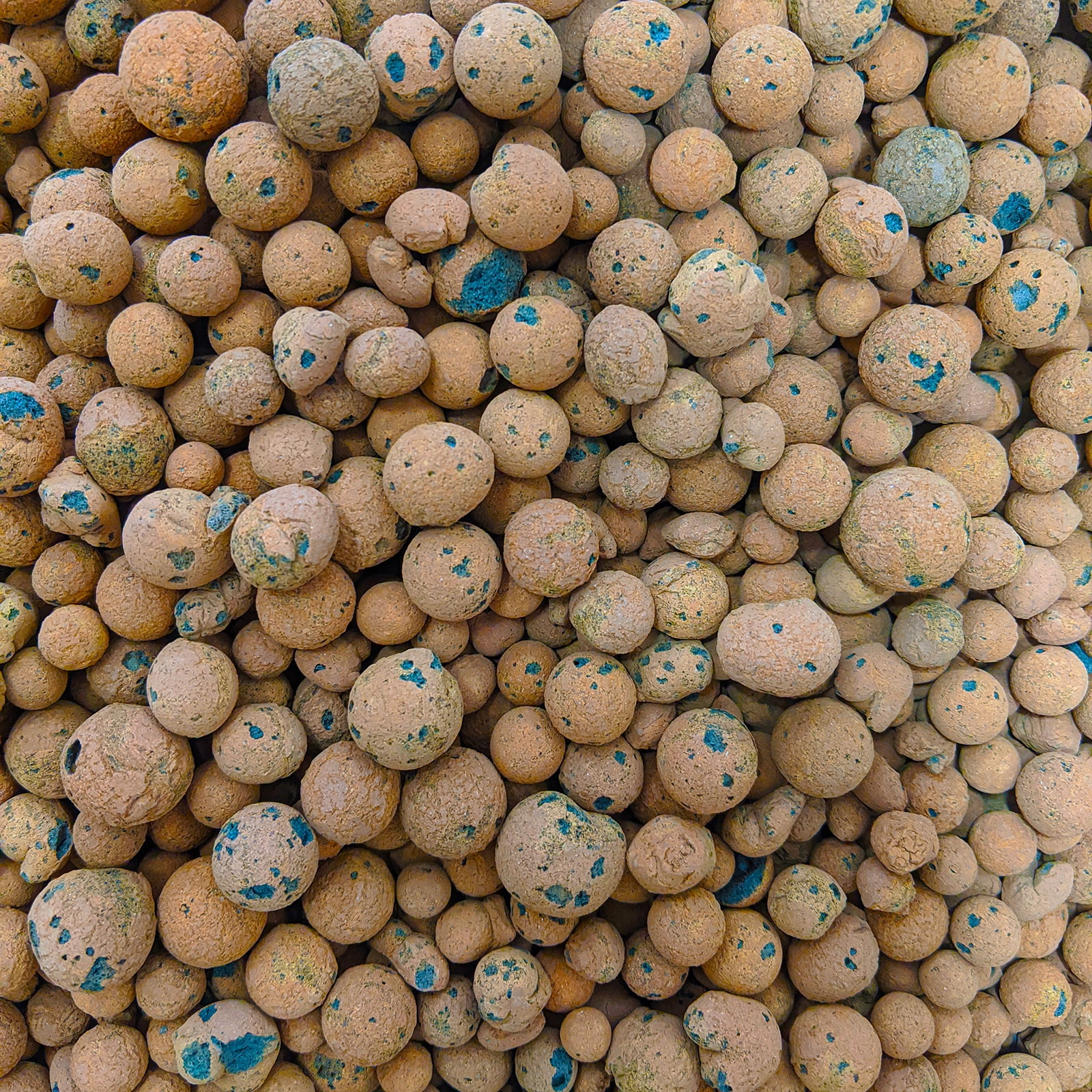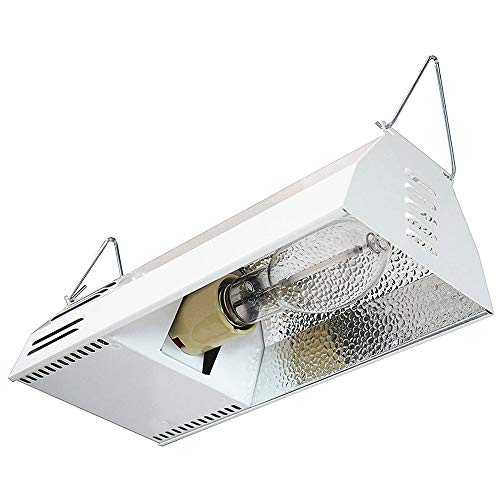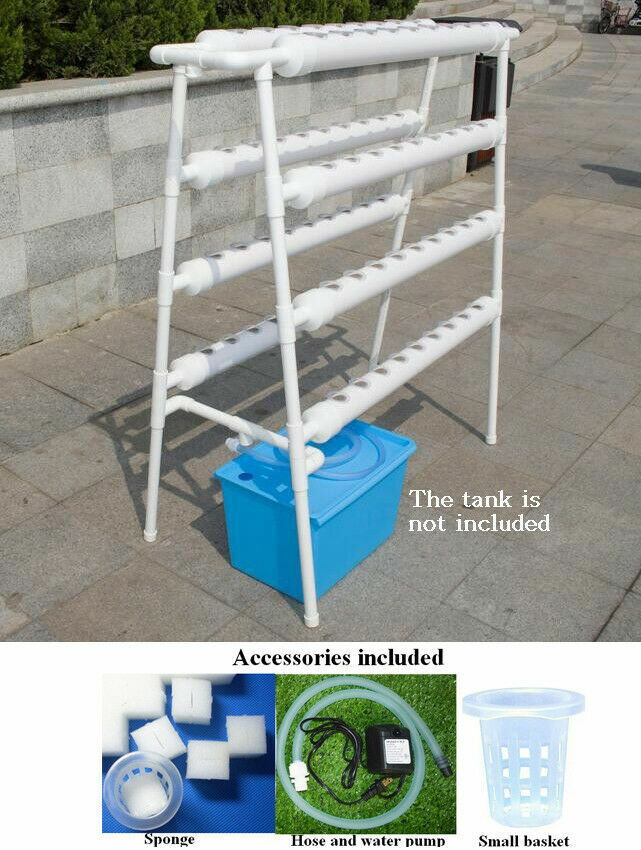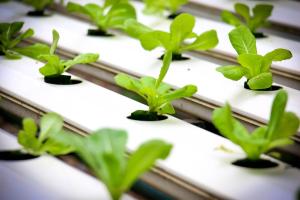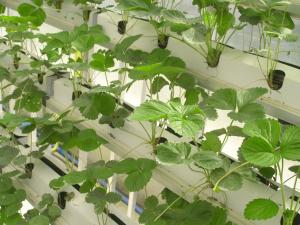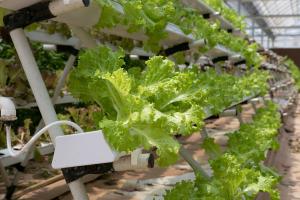
Hydroponics is a cool way of growing plants without soil. Instead, you use nutrient-rich water to feed your plants. This method can be a game-changer, especially if you’re short on space or want faster growth. It's super efficient and allows you to have fresh veggies at home all year round.
There are a few key components to hydroponics. First, you've got your growing medium, which can be things like clay pellets or coconut coir. Then, there's the nutrient solution that gives your plants everything they need to thrive. You also need some sort of system to deliver that water to your plants, like a drip system or a deep water culture setup.
One of the best parts of hydroponics is how you can control the growing environment. You can adjust the light, water, and nutrients exactly how your plants like it. This means healthier plants and better yields. Imagine biting into a juicy tomato that grew right in your living room! It’s pretty awesome.
Another big plus is the reduced risk of pests and diseases since you're not dealing with soil. You can grow indoors, too, which means you can keep growing even when the weather outside isn’t cooperating. It’s a great solution if you want to break free from the limitations of traditional gardening.
If you're thinking of starting with hydroponics, there are plenty of systems out there for beginners. From simple starter kits to advanced setups, you can find something that fits your needs. Just remember, whether you want to try it out for fun or dive deep into it as a hobby, hydroponics opens up a world of possibilities for growing your own food!
Exploring Aeroponics Advantages
Aeroponics is a standout in the world of soilless growing. Imagine plants dangling in the air, roots exposed and misted with nutrient-rich water. This method packs a punch with its efficiency and effectiveness.
One big advantage of aeroponics is how it uses less water than traditional growing methods. The mists deliver moisture straight to the plant roots, cutting down on waste. This means you can grow your favorite greens while saving water and being eco-friendly.
Growing in a controlled environment means you get faster growth. Since the roots are in the air and get regular airflow, plants absorb oxygen more efficiently. The result? They grow quicker and stronger! You’ll see your crops thriving in no time.
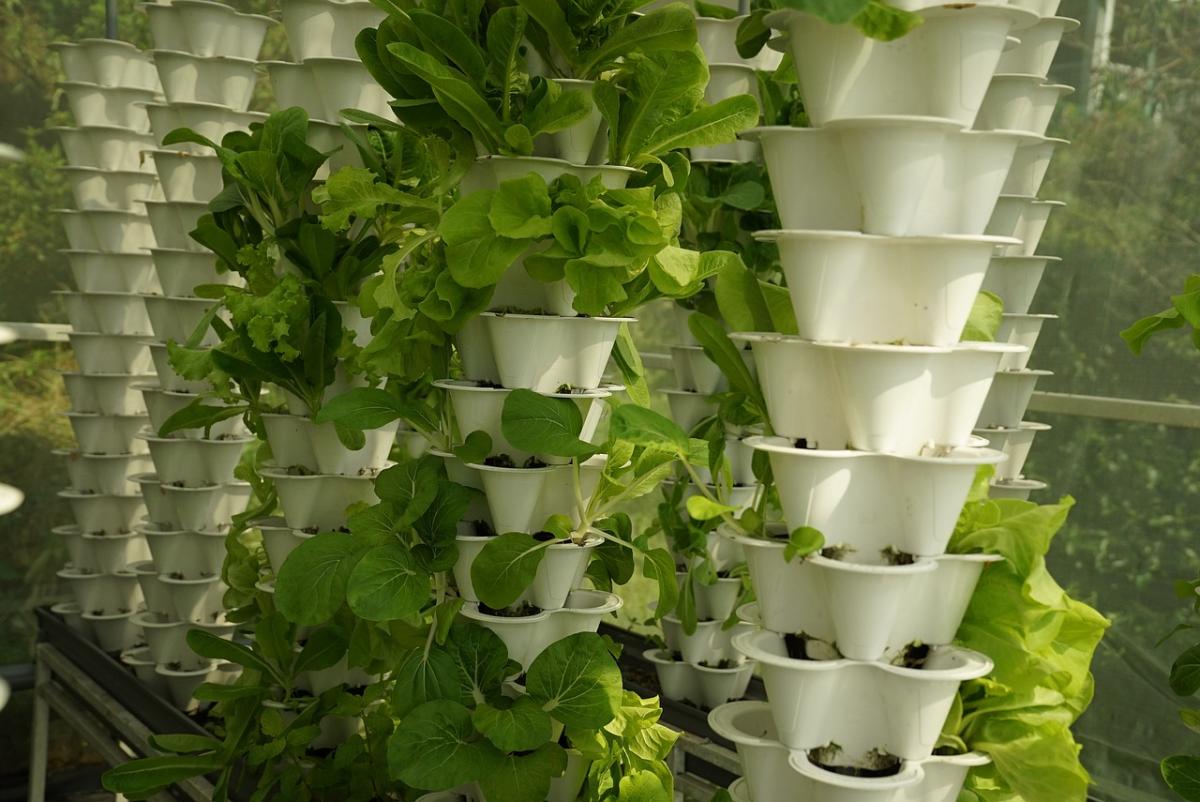
Aeroponics also lets you grow plants vertically. If you’re tight on space, this is a game changer. You can stack grow towers and maximize your area, which is perfect for indoor gardening or urban setups.
Plus, there’s less risk of pests and diseases. Without soil, you cut down on the typical threats that happy plants face. It's a cleaner way to grow and gives you healthier crops to enjoy.
Benefits of Aquaponics Systems
If you’re looking to dive into the world of sustainable gardening, aquaponics systems might be the perfect match for you. They combine fish farming with plant growing, creating a symbiotic relationship. Fish waste feeds the plants, and the plants clean the water for the fish. It’s a win-win that benefits both sides.
One of the biggest perks? You get to grow fresh veggies and fish right at home. Imagine having fresh basil for your pasta or tilapia for dinner, all without leaving your kitchen. It’s like having your little farm! Plus, you can grow a variety of plants, from leafy greens to herbs, making it easy to customize according to your taste.
Starting with aquaponics is usually easier than you think. Many systems come as ready-to-use kits. They often have all the components you need, like tanks, pumps, and grow beds. This means less guesswork and more time enjoying your new garden. Even if you’re a beginner, these systems help you get started with minimal fuss.
Another cool benefit? Aquaponics is eco-friendly. You use less water compared to traditional gardening because the system recirculates water. It reduces waste and can cut down on the need for chemical fertilizers. You’re not just growing your food; you’re also being kinder to the planet.
Lastly, aquaponics can be pretty fun! It’s fascinating to see how everything works together. Kids love it, too, so it’s a great way to teach them about sustainability and caring for living things. Plus, you get to enjoy the fruits (and fish) of your labor!
Choosing the Right System for You
Choosing the right hydroponic system really depends on what you want to grow and how much space you have. Each system has its own perks and challenges. Let's break it down a bit.
If you're all about simplicity and don't want to fuss much, a basic hydroponic setup might be your best bet. These systems usually require less experience and they tend to be easier to manage. They’re great for beginners who just want to enjoy fresh veggies without a ton of hassle. You’ll get quick results, and that can be super satisfying!
On the other hand, if you’re looking for something a bit cooler and more innovative, aeroponics could be your jam. This method involves misting the roots of your plants with nutrient-rich water. It sounds fancy, but it’s a fantastic way to maximize growth and use water efficiently. Perfect for those who love experimenting and are ready for a little adventure in gardening!
Now, if you're into sustainability and want to take things to the next level, consider aquaponics. This is where fish and plants work together. The fish produce waste that feeds the plants, and in return, the plants help clean the water for the fish. It’s like having your own little ecosystem, which is pretty awesome. Just keep in mind, this system requires more monitoring and maintenance, so it’s better for those who have some experience under their belt.
Ultimately, think about your goals, your experience level, and your space. Ask yourself how hands-on you want to be and what you’d enjoy more—growing plants with a straightforward setup, experimenting with cutting-edge techniques, or creating a balanced ecosystem. The right choice is out there for you!